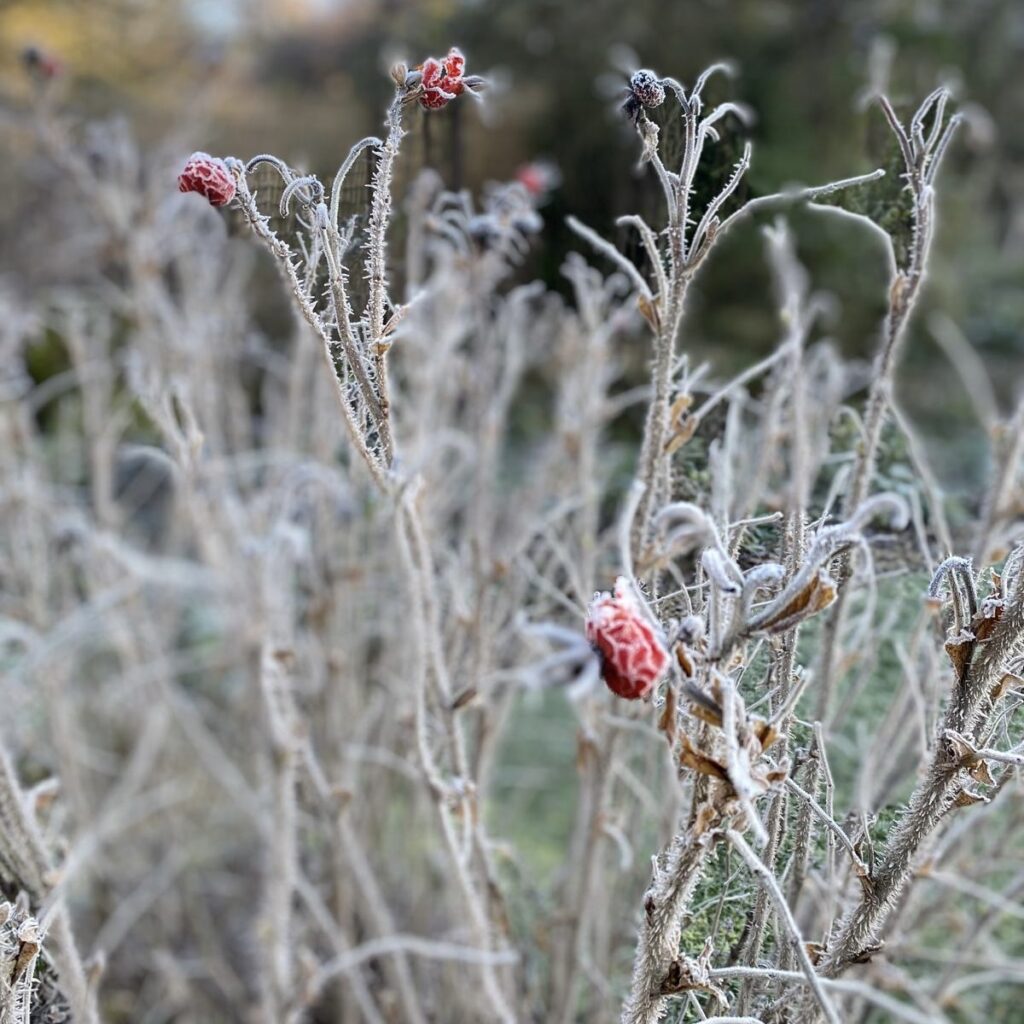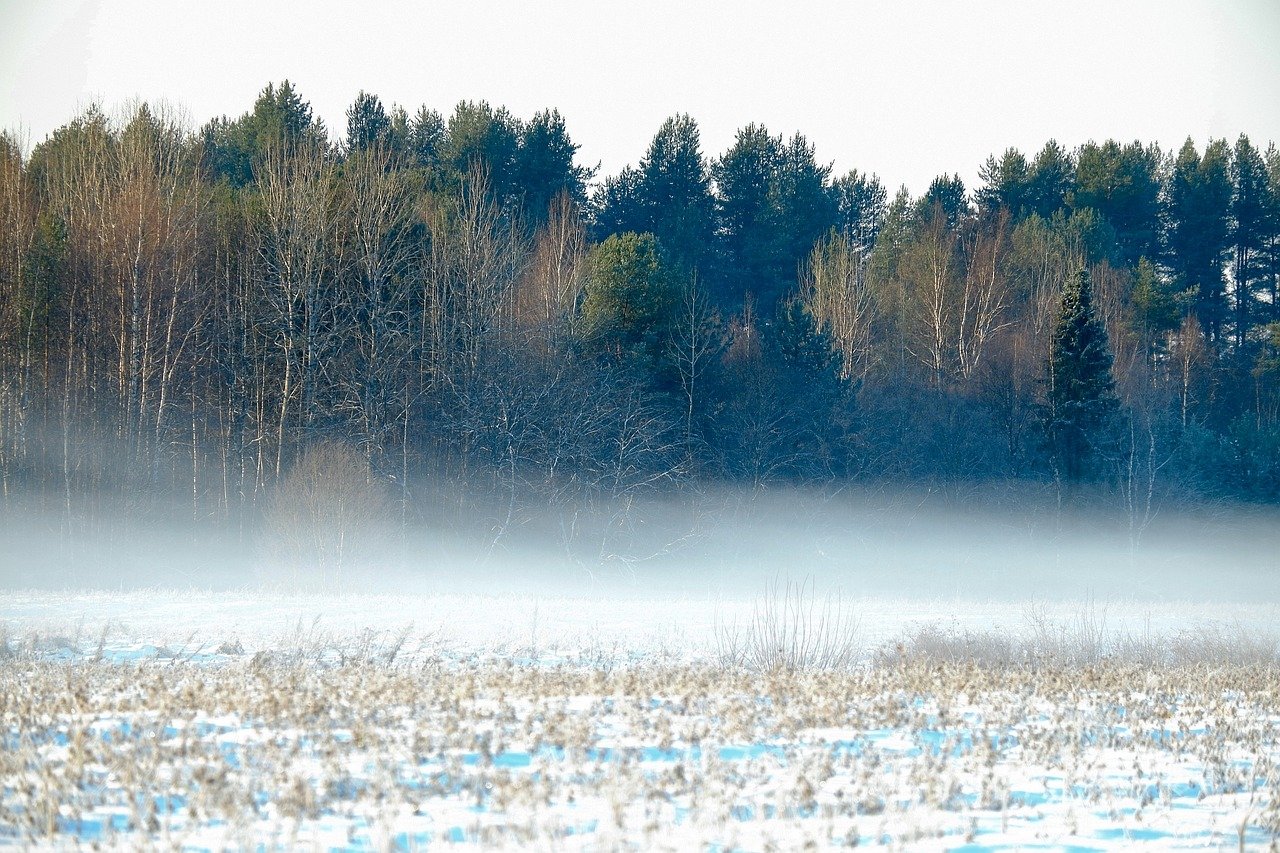
The New Year often inspires us to make changes to our daily lives, sometimes with challenging resolutions and promises to ourselves to take more exercise, eat better and so on. But we need to remember that we are still in winter, a season that invites us to slow down and conserve energy until the warmth of spring returns, to hibernate really!
Ṛtucharya is an Ayurvedic word that means living in rhythm with the changing seasons. It’s about adapting our lifestyle to the climate, our environment, our time of life and the demands of our daily routine. It is when we don’t adjust our diet, habits and pace of life to reflect these seasonal shifts, that maintaining balance and health can become more challenging. Over time, being out of sync with our environment may lower our resilience and make us more susceptible to imbalances or health problems.
Like everything else in the universe, the seasons have unique energetic qualities, including hot/cold, wet/dry, heavy/light. As we go through the year, we may notice the different qualities or attributes each season has and how they profoundly affect us. The qualities of the seasons interact with the qualities of the doshas (vata, pitta and kapha) and so different seasons may present challenges for some and benefits for others. This is why some of us dislike the chill and feel like hibernating dormice, while others love the cold and crisp of the winter and feel energised.
Kapha accumulates when qualities similar to it (heavy, wet and slow) are prevalent in cold, damp, winter weather, these qualities help us to be quiet and still. Kapha rules the respiratory tract and an excess of similar qualities can increase kapha tendencies to be heavy, inactive and congested. We are all aware of how the cold and damp of winter can make us more prone to catarrh, coughs and colds.
If you are out of balance and want to reduce kapha, make sure to take plenty of exercise – specifically vigorous activity which will reduce heaviness. Be open minded and try new things as kapha is resistant to change. If your sleep is excessive and you are always tired, try to get up well before 8am, 6am is preferable, and don’t sleep in the day time!
Eat a light diet with hot foods and regular meals and try to avoid heavy, oily foods and red meats. Avoid overeating, especially at night, don’t eat when you’re not hungry and try not to snack between meals. It’s best to avoid cold foods and drinks
Increase pungent, bitter and astringent foods in your diet and reduce sweet, sour and salty foods such as cakes, potato crisps, vinegar, chips, yeast, cheese, yoghurt, chocolate, and refined sugars and flours. Add warming spices to your cooking such as cinnamon, pepper, long pepper, cardamom and chilli.
Drink plenty of warming teas especially freshly grated ginger root and lime juice, celery seed, cinnamon, cardamom, chai, peppermint and thyme. Sweeten with honey if you wish as it is used as a vehicle for herbs to reduce kapha. Expectorant herbs with honey as their vehicle are ideal for clearing excess kapha from the system. My favourite Western herbs are elecampane and thyme, there are two really useful Ayurvedic formulae that can be mixed with honey, sitopoladi and trikatu.
You can also do inhalations of stimulating and decongesting essential oils such as peppermint, cinnamon, clove, eucalyptus and lemon grass or do nasya – nasal administration of oils including eucalyptus and vacha oil.
Ayurveda gives us clear guidelines for a healthy lifestyle that address almost every aspect of our lives. This incredible body of wisdom can help us stay in balance so that we feel well in mind and body. A few simple changes in our diet and lifestyle can have a huge impact on the way we feel and can help to prevent and reverse a whole range of health problems.